Tracing Transaction Routes: How Funding Options Unlock Layered Rewards in Real-Time Prize Suites with Mobile Integration
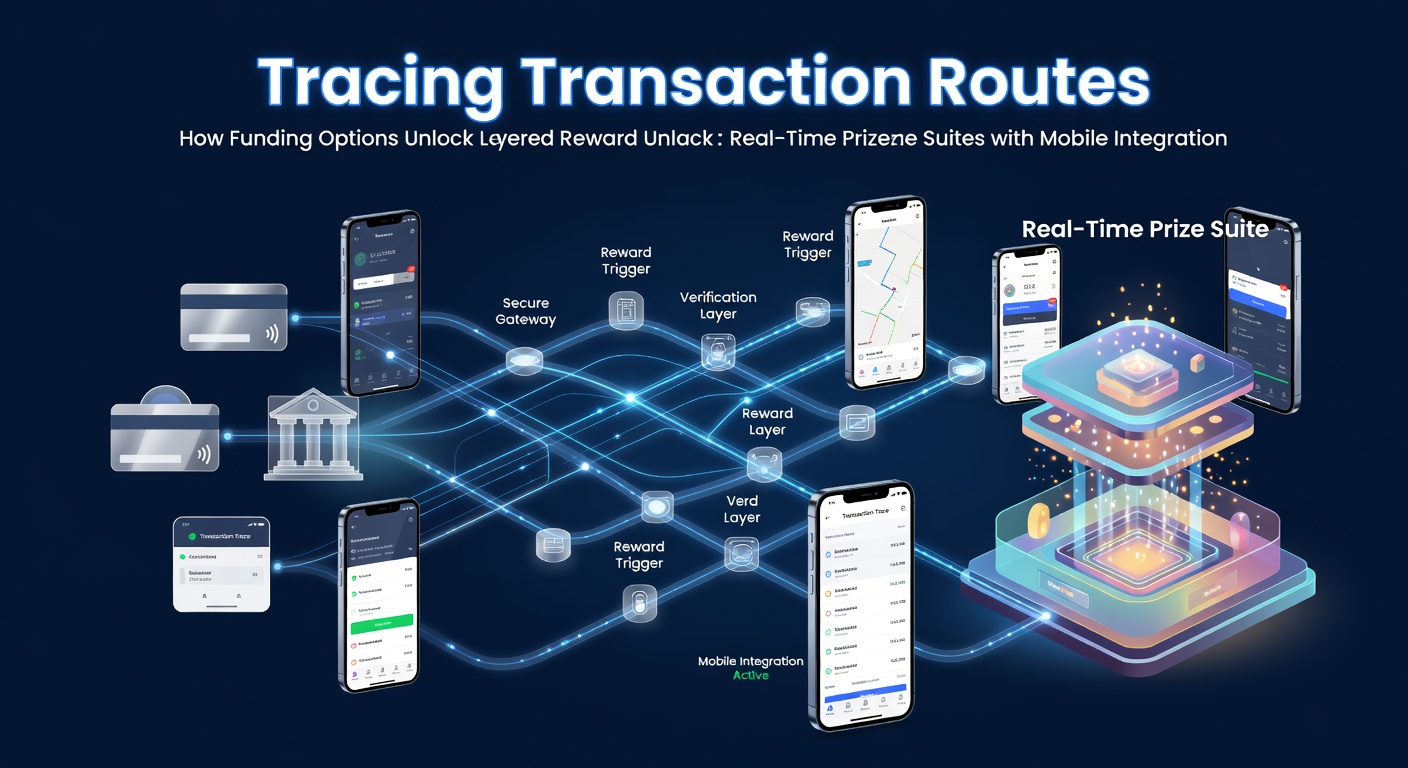
Digital prize platforms have shifted toward detailed transaction mapping that connects deposit methods directly to reward structures in real time, and mobile integration now handles the routing process from the moment funds enter an account.
Transaction Pathways in Mobile Prize Environments
Funding choices such as bank transfers, digital wallets, and card-based payments create distinct routes that mobile systems track through layered protocols, while each route carries its own set of parameters that determine reward eligibility and timing. Observers note that platforms record the source, amount, and processing speed of every deposit, then apply those details against preset reward matrices that unlock bonuses at multiple tiers.
Real-time processing means a deposit initiated on a smartphone can trigger immediate verification steps that feed into reward calculations without manual intervention, and data from platform operators shows these automated checks reduce processing delays from hours to seconds in many cases. When users select instant funding options, the system registers the transaction as a higher-priority route that often qualifies for accelerated tier access compared with standard bank transfers that require additional confirmation windows.
Layered Reward Structures and Funding Variables
Reward layers typically stack across categories that include entry-level credits, mid-tier multipliers, and premium access passes, yet the specific funding route determines which layers activate first and how long those benefits remain available. Research from the Responsible Gambling Council indicates that platforms using mobile integration assign different point values to transaction types, with e-wallet deposits frequently earning base multipliers that compound when users meet volume thresholds within set periods.
One documented case involved a platform that adjusted its routing logic in early 2026 so that recurring deposits through the same mobile-linked method automatically escalated users into secondary reward bands, and figures from operator logs revealed a measurable increase in repeat activity following the change. Those who maintain consistent funding routes through verified mobile channels often accumulate layered benefits that include both monetary credits and non-cash perks such as exclusive game access.
Real-Time Tracking Capabilities via Mobile Integration
Mobile applications now embed transaction tracers that log every funding step and feed the information into centralized reward engines, allowing prize suites to update user profiles instantaneously rather than relying on batch processing at the end of each day. This continuous flow supports dynamic adjustments where a single deposit can unlock multiple reward layers if the route meets criteria for speed, amount, and verification status.
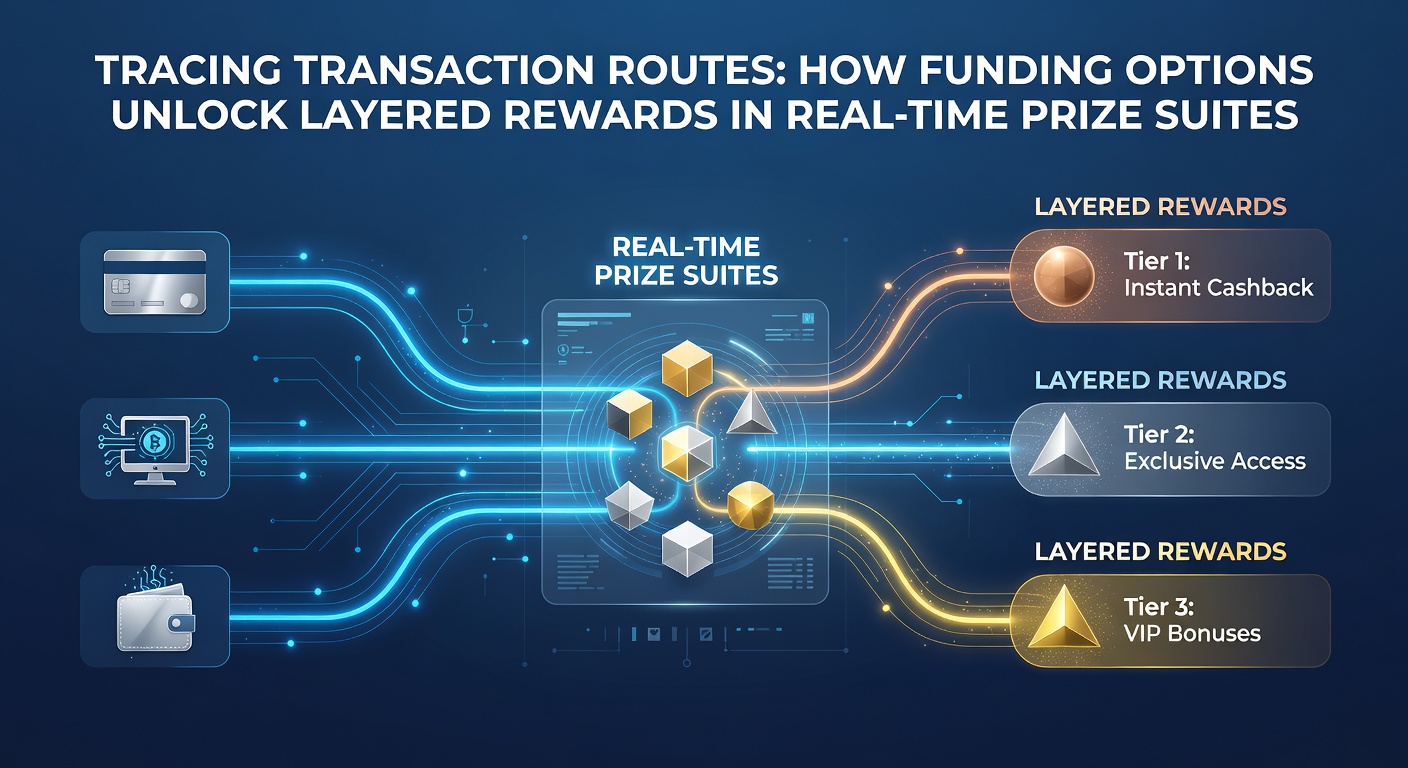
Platforms that adopted enhanced mobile tracing ahead of May 2026 reported smoother reward distribution across user bases, and industry reports compiled by the National Council on Problem Gambling highlight how these systems provide clearer audit trails that help operators maintain compliance while delivering benefits at the moment of deposit confirmation.
Comparative Impact of Different Funding Routes
Card-based deposits often route through processors that attach additional verification layers, which can delay reward activation until security checks complete, whereas certain digital wallet options bypass intermediate steps and allow the platform to assign layered rewards within the same mobile session. Data compiled across multiple operators shows that users who route funds through integrated banking apps receive confirmation of tier progression faster than those relying on traditional card rails that involve external authorization cycles.
Volume-based thresholds add another dimension because larger deposits through preferred mobile channels frequently satisfy conditions for multiple reward layers simultaneously, and platform analytics indicate that users who combine smaller frequent deposits with the same verified route achieve cumulative benefits comparable to single large transactions. The routing logic therefore rewards consistency in method selection as much as total amount transferred.
Future Developments in Transaction Routing
Operators continue to refine routing algorithms that factor in device type, connection stability, and user history to predict which funding options will unlock the deepest reward layers, and these refinements build on the mobile integration already in place. As of May 2026, several major prize platforms had begun testing predictive routing that suggests specific deposit methods based on a user's past transaction patterns to maximize layered reward potential.
Regulatory frameworks in various regions now require clear disclosure of how funding routes influence reward availability, which has prompted platforms to publish route-specific reward tables within their mobile interfaces for user reference. This transparency allows participants to select funding options with full knowledge of the reward layers each route can unlock.
Conclusion
Transaction route tracing through mobile-integrated prize suites connects funding choices to layered reward outcomes in measurable ways, and the systems currently in operation demonstrate how deposit method, timing, and verification status combine to determine benefit activation. Continued refinement of these routing mechanisms supports both operational efficiency and user access to real-time reward structures across digital platforms.