Synchronizing Live Draw Experiences with Adaptive Loyalty Mechanisms in Portable Gaming Ecosystems
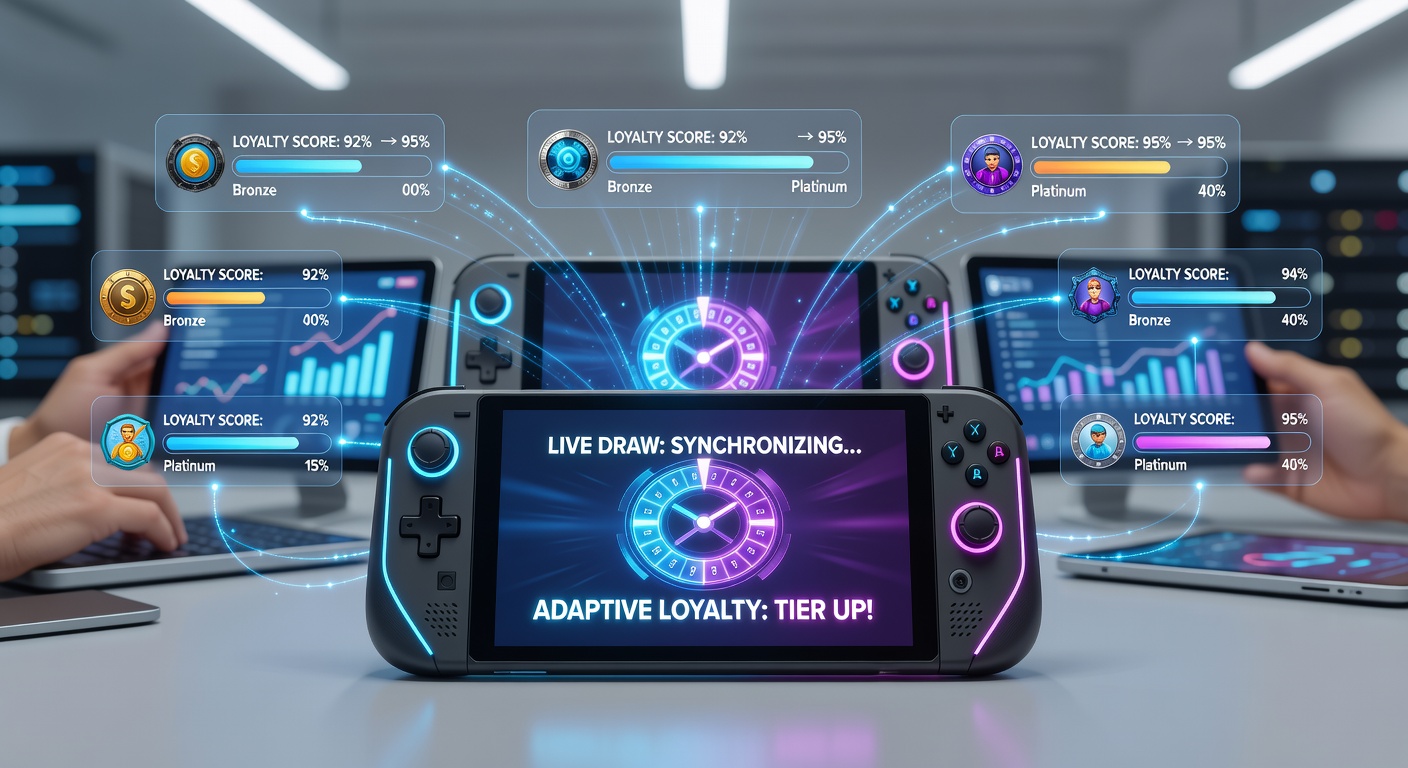
Portable gaming ecosystems now integrate live draw synchronization with adaptive loyalty mechanisms through real-time data streams and user behavior tracking, and operators deploy these systems across mobile applications to maintain continuous engagement during number-matching and prize events.
Developers connect live draw servers directly to loyalty databases so that each draw outcome updates player profiles instantaneously, and this linkage allows point allocations or tier adjustments to occur without requiring separate user actions.
Core Technical Integration Methods
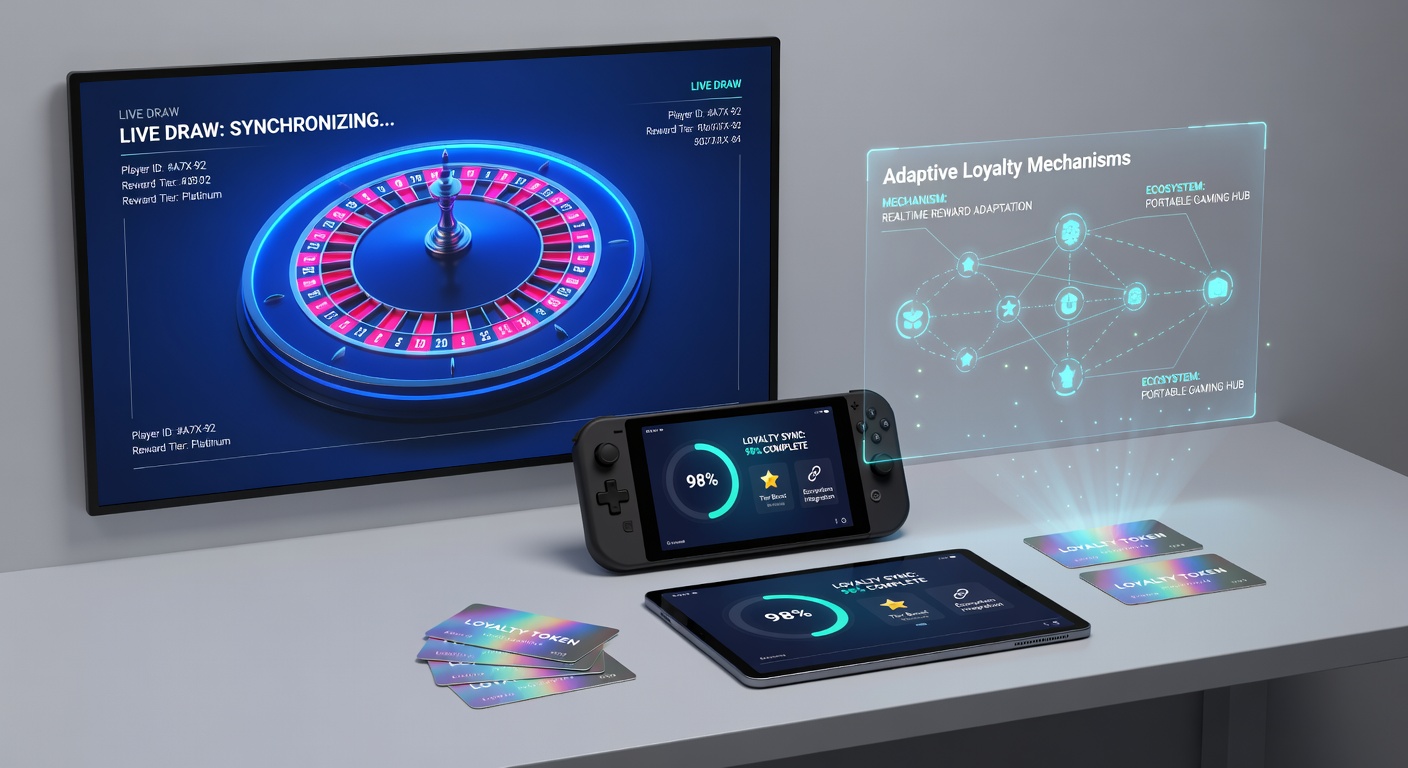
Application programming interfaces handle the flow of draw results from centralized servers to individual devices while loyalty engines evaluate participation metrics such as frequency and wager volume, and researchers at institutions including the University of Nevada, Reno have documented how these combined protocols reduce latency between draw completion and reward distribution to under three seconds in tested environments.
Cloud-based architectures support this synchronization by maintaining session continuity across network changes common in portable use, whereas edge computing nodes process loyalty calculations locally to avoid delays when connectivity fluctuates.
Adaptive Loyalty Structures in Practice
Systems assign dynamic multipliers to loyalty points based on draw participation patterns, and players who complete consecutive entries receive accelerated progress toward higher tiers that unlock additional features such as priority draw notifications or bonus entries.
Data from the American Gaming Association indicates that mobile platforms employing these adaptive models recorded a 27 percent increase in session duration during 2025 compared with static reward frameworks, and similar patterns appear in reports covering European markets where regulatory frameworks require transparent tracking of all point adjustments.
One operator in the Australian market implemented geo-specific loyalty triggers tied to live draws conducted during evening hours, resulting in measurable shifts in peak activity times documented through aggregated user analytics.
Security protocols encrypt both draw outcome transmissions and loyalty record updates to comply with standards set by various international bodies, and audits verify that synchronization events match recorded outcomes without discrepancies.
Developments Observed in Early 2026
By May 2026 several platforms introduced enhanced synchronization layers that incorporate machine learning models to predict optimal loyalty adjustments during ongoing draws, and these models analyze historical engagement data to calibrate rewards before each event concludes.
Portable device sensors now feed additional context into loyalty calculations, including screen interaction rates and session length, while draw synchronization continues uninterrupted across operating system updates released in the first quarter of that year.
Industry observers note that cross-platform compatibility improved after major software providers aligned their update schedules, allowing loyalty progress to transfer seamlessly when users switch between tablet and smartphone interfaces during the same live event.
Regulatory and Data Considerations
Government agencies in multiple jurisdictions require operators to maintain logs that demonstrate synchronization accuracy and loyalty mechanism fairness, and the Canadian Centre for Gaming Research published guidelines in late 2025 emphasizing verifiable audit trails for all adaptive point systems.
These requirements have prompted developers to embed timestamped confirmation packets within every loyalty update tied to a live draw, creating records that satisfy oversight without interrupting the user experience.
Conclusion
Integration of live draw synchronization with adaptive loyalty mechanisms continues to evolve within portable gaming ecosystems as technical standards advance and regulatory expectations clarify, and the patterns established through 2025 deployments provide the foundation for further refinements expected later in 2026.