Patterns in How Payment Processing Times Affect Participation Rates in Progressive Jackpot Bingo Rooms
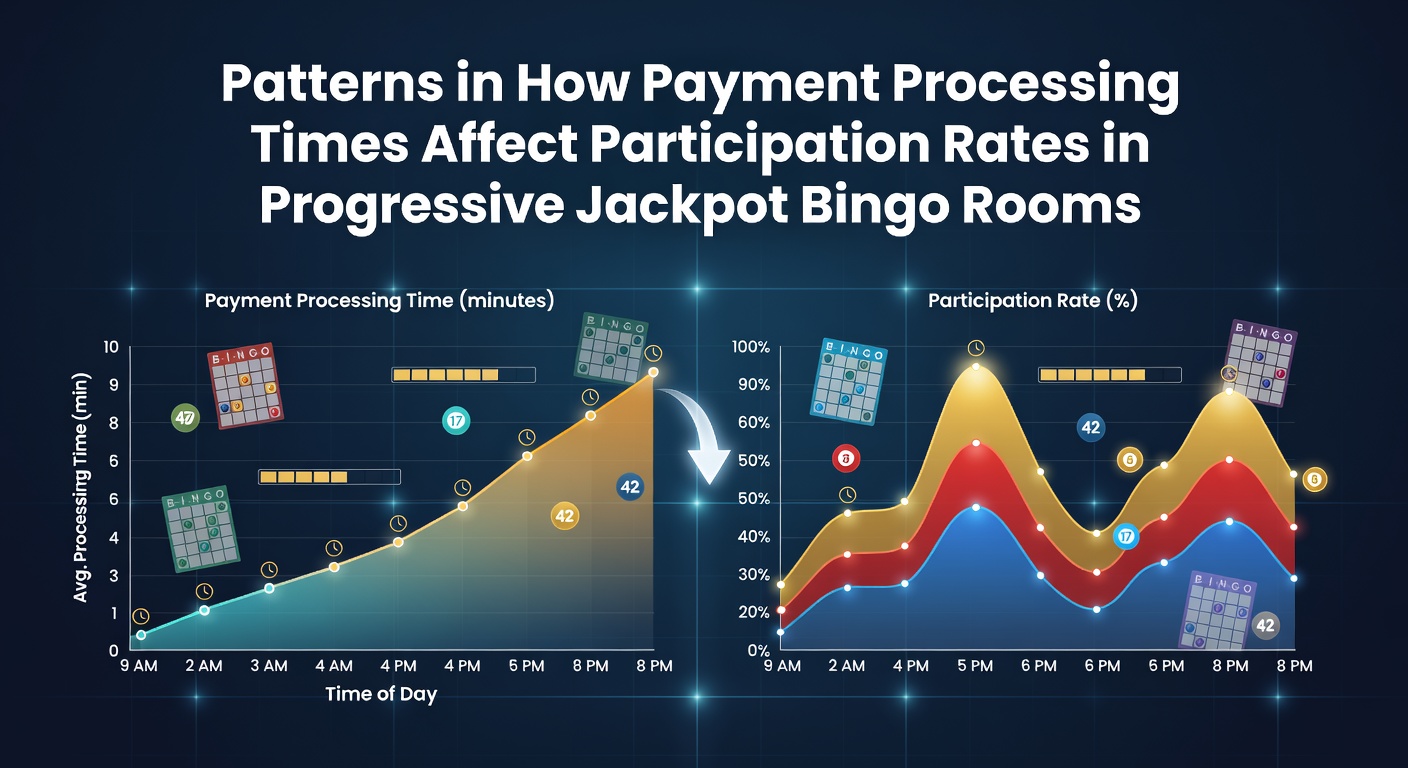
Payment processing times create measurable shifts in how players engage with progressive jackpot bingo rooms, where pooled prize amounts grow through contributions across multiple sessions, and data shows faster transaction approvals often align with increased room entries during peak periods. Observers note that delays of even several minutes can reduce the number of active participants while quicker clearances allow more seamless entry into games that feature escalating jackpots.
Core Mechanics of Transaction Timing
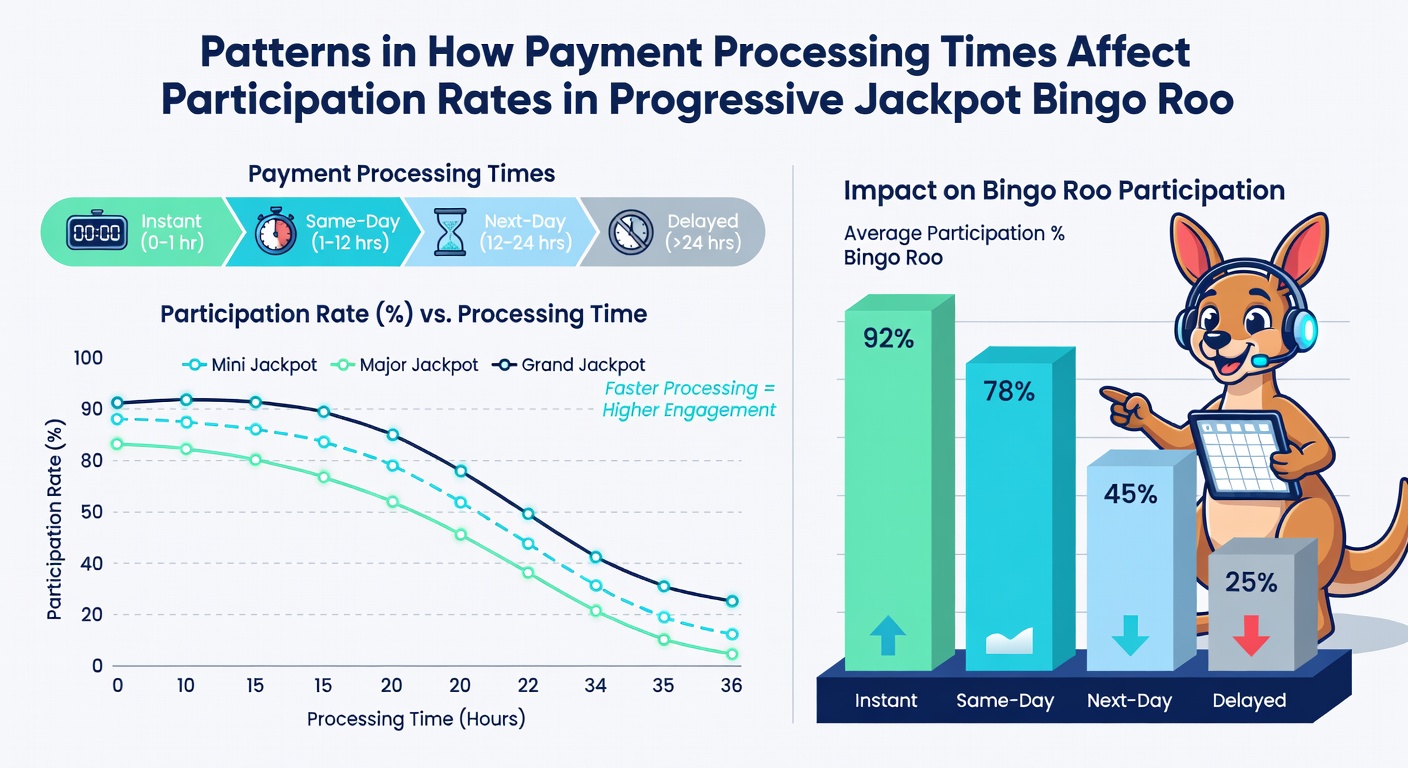
Progressive jackpot bingo rooms operate on systems where each ticket purchase adds a small percentage to a shared prize pool, yet the speed at which deposits clear directly influences whether players complete those purchases before a draw begins. Research from the Australian Gambling Research Centre indicates that platforms with sub-30-second processing see higher volumes of concurrent logins compared to those requiring manual verification steps that extend beyond two minutes.
Those who track user behavior across multiple sites report that instant funding options, such as certain e-wallet integrations, maintain steady participation curves, whereas traditional bank transfers introduce drop-offs once the wait exceeds typical session planning windows. This pattern holds across different jackpot sizes, suggesting timing matters more than absolute prize values in driving initial entries.
Observed Participation Patterns Across Platforms
Figures reveal distinct clusters where rooms offering same-minute approvals experience participation spikes of 15 to 25 percent during evening hours, particularly when jackpots cross threshold levels that trigger promotional alerts. In contrast, rooms relying on batch processing show flatter attendance graphs, with activity concentrated among users who schedule deposits well in advance.
One study of North American operators found that progressive rooms integrated with real-time payment rails retained higher percentages of returning players over successive weeks, while slower systems saw repeat engagement taper after initial trials. These differences appear consistent regardless of bingo variant, though rooms with larger progressive components display more pronounced sensitivity to processing speed.
Regional Data and Trends Through Mid-2026
Canadian operators documented similar correlations in quarterly reports released during the first half of 2026, where provinces with streamlined digital payment regulations recorded elevated activity in jackpot-focused bingo rooms compared to regions maintaining stricter verification layers. Participation metrics climbed notably after several platforms adopted faster settlement protocols in early 2026.
What's interesting is how these patterns intersect with mobile usage, since many players access rooms via apps that prioritize quick deposit flows, and data from those interfaces shows completion rates rising when processing finishes before the next draw cycle. European markets have reflected parallel outcomes, with faster gateways supporting broader access during high-traffic tournament windows scheduled for June 2026.
Influence on Jackpot Growth Dynamics
Faster processing feeds directly into jackpot accumulation because each completed transaction contributes to the pool without lag, allowing the displayed total to rise more visibly and attract additional entries in a reinforcing loop. Slower systems, by comparison, create intervals where the visible growth stalls, which correlates with fewer new participants joining mid-cycle according to aggregated platform analytics.
Industry reports compiled by the Center for Gaming Research at the University of Nevada, Las Vegas highlight that rooms achieving sub-minute clearances sustain more consistent contribution rates, leading to steadier jackpot trajectories over monthly periods. This stability appears to encourage players who monitor multiple rooms to prioritize those with reliable timing.
Technical and Operational Factors
Payment gateways vary in their handling of bingo-specific transactions, and systems that pre-authorize small amounts for quick top-ups tend to minimize friction during live draws. Observers note that integration quality between the bingo software and the payment processor determines much of the observed variance, with well-optimized connections reducing failed attempts that otherwise discourage further tries.
Security protocols add another layer, yet platforms balancing verification speed with compliance maintain higher throughput without compromising regulatory standards. Patterns indicate that seasonal events, such as the expanded progressive tournaments planned across several networks for June 2026, amplify these effects because larger prize pools draw wider interest only when entry remains fluid.
Conclusion
Patterns linking payment processing times to participation rates in progressive jackpot bingo rooms rest on consistent data from multiple markets, showing that reduced clearance intervals support steadier engagement and more predictable jackpot growth. Platforms adapting their transaction infrastructure accordingly demonstrate measurable differences in room activity levels, while those maintaining longer waits encounter flatter trends. These relationships continue to shape operational decisions as operators prepare for upcoming promotional periods in 2026.