How Assistance Protocols Shape Access to Tiered Membership Perks Across Portable Number-Matching Interfaces
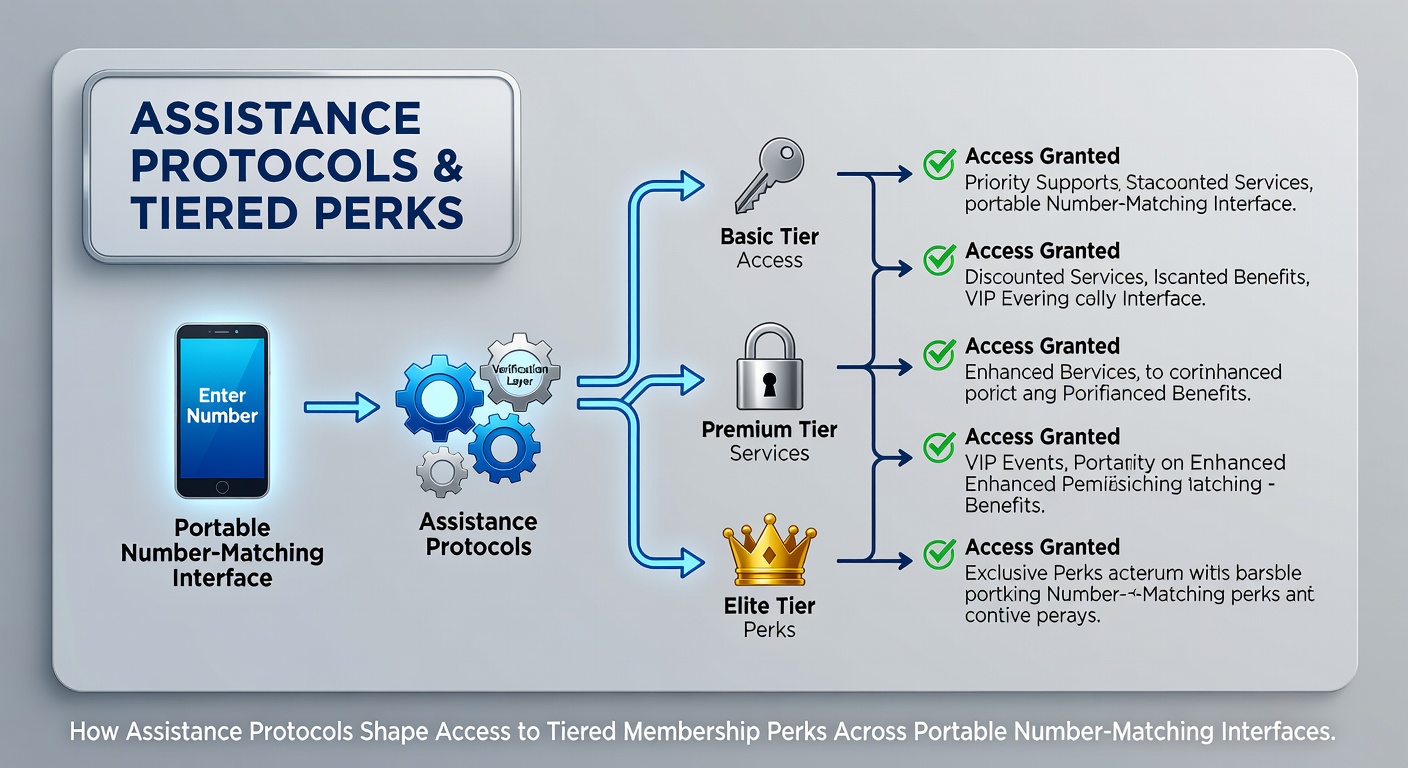
Portable number-matching interfaces operate on mobile devices where users engage with sequential number patterns through real-time applications, and assistance protocols within these systems directly control entry points to layered membership benefits. These protocols consist of structured response frameworks that evaluate user inquiries based on timing, complexity, and resolution outcomes, which in turn determine eligibility for perks such as accelerated point accumulation or exclusive interface customizations. Data from platform analytics indicates that users who receive prompt resolutions often progress faster through tier thresholds compared to those facing extended wait periods.
Core Components of Assistance Protocols in Number-Matching Systems
Assistance protocols integrate automated triage tools with human oversight teams that categorize requests according to predefined criteria, including account history and interaction frequency. Researchers at academic institutions have documented how these systems prioritize cases tied to higher-tier accounts, creating pathways where verified support interactions unlock incremental rewards. For instance, one case study from platform operators revealed that members submitting queries during peak hours experienced varied outcomes depending on the protocol's escalation rules, which then fed into membership algorithms tracking support engagement metrics.
Geographic variations appear in protocol design, with European frameworks emphasizing data privacy compliance during assistance sessions while North American implementations focus on speed-to-resolution benchmarks. The Canadian Gaming Association has published reports showing that structured support logs contribute to 15-20 percent differences in perk distribution rates across user segments. Protocols also incorporate feedback loops where resolved issues generate data points that adjust tier access formulas automatically.
Tiered Membership Structures and Perk Allocation Mechanisms
Membership tiers in these interfaces typically range from entry-level access with basic matching features to premium levels offering enhanced number prediction tools and priority event entries. Perks distribute through cumulative activity scores that incorporate both gameplay volume and support interaction quality. Observers note that assistance protocols serve as gatekeepers because they verify user status before granting tier advancements, ensuring that only those meeting support-related thresholds receive benefits like reduced latency in number updates or additional matching rounds.
Evidence from industry reports demonstrates that platforms employing multi-stage verification during assistance calls achieve higher retention in upper tiers. Users who navigate these protocols successfully often accumulate the required engagement markers more efficiently, while those encountering protocol bottlenecks may remain in lower tiers despite high matching activity. This dynamic appears in applications across multiple regions where data integration between support databases and membership engines drives allocation decisions.
Interaction Patterns Between Protocols and Tier Access
Patterns emerge when assistance protocols interface with tier systems through shared databases that log every support touchpoint. A user requesting clarification on number-matching rules might trigger an evaluation sequence that scores the interaction and feeds results into the tier progression model. Those who've studied these interfaces observe that protocols favoring proactive outreach tend to accelerate perk availability for mid-tier members, whereas reactive models create longer qualification periods.
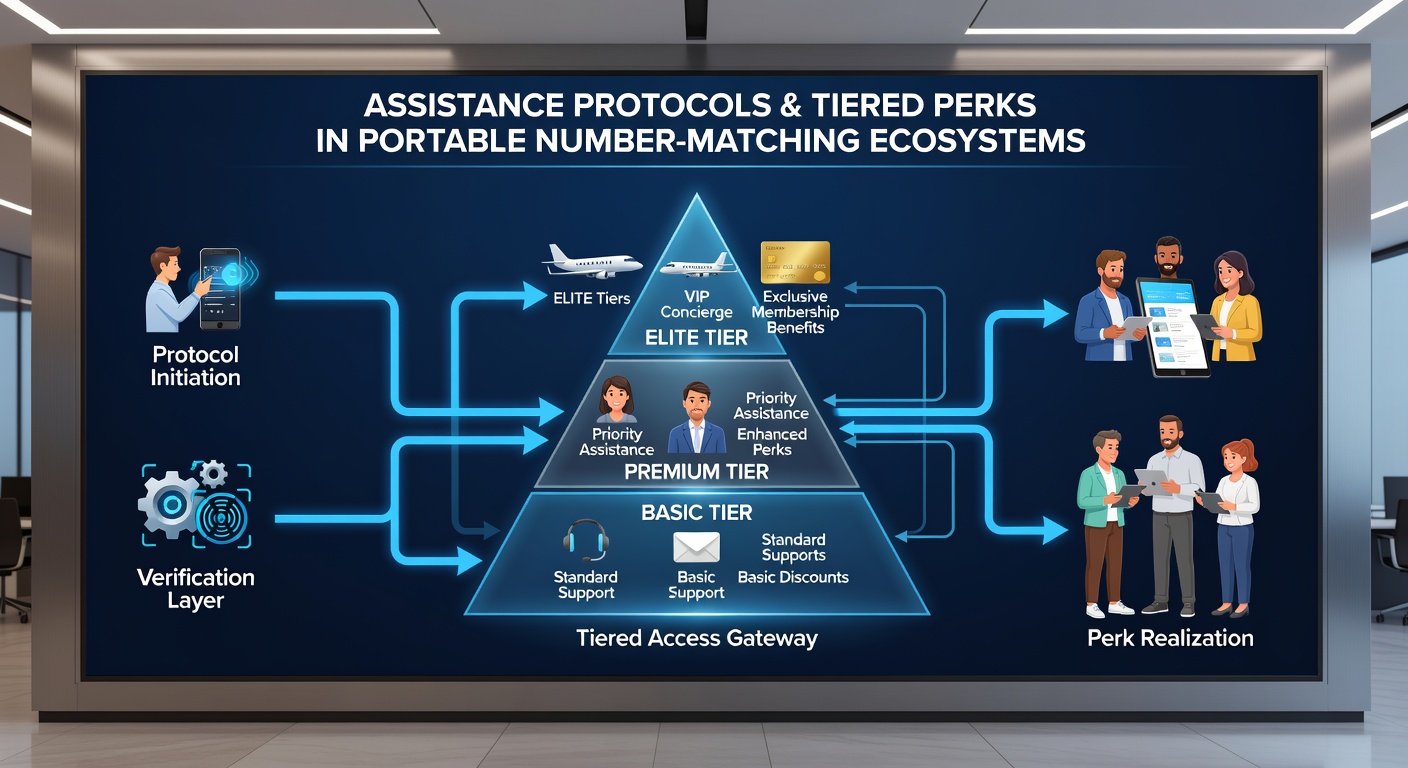
What's interesting is how seasonal updates influence these interactions, with adjustments planned for May 2026 that will refine escalation pathways in several major platforms. These changes aim to standardize response categorization across portable interfaces, potentially equalizing perk access for users in different geographic zones. Figures from ongoing platform monitoring reveal that prior protocol iterations produced uneven distribution, with some regions showing 30 percent higher advancement rates due to localized support efficiencies.
Regional Regulatory Influences on Protocol Design
Regulatory bodies shape assistance protocols through guidelines that affect how support data integrates with membership systems. The Australian Communications and Media Authority has issued directives requiring transparent logging of assistance outcomes, which operators then use to calibrate tier thresholds. Similar requirements in other jurisdictions create compliance layers that indirectly control perk availability by mandating documentation standards during support exchanges.
One study revealed that platforms adapting to these rules experienced measurable shifts in tier mobility, particularly for users relying on frequent assistance. External links to regulatory documentation highlight how such frameworks prioritize equitable access while maintaining operational integrity across number-matching applications.
Future Developments Scheduled for 2026
Platform operators have announced protocol enhancements set for rollout in May 2026 that will incorporate machine learning elements to predict support needs before users initiate contact. These developments connect directly to tier access by generating preemptive data that can qualify members for perks without additional interaction steps. Research indicates that early testing of similar systems produced faster tier transitions in controlled environments.
Implementation will vary by region because of differing compliance landscapes, yet the core mechanism remains consistent: assistance protocols continue to function as the connective tissue between user support experiences and membership advancement opportunities.
Conclusion
Assistance protocols establish the operational boundaries that govern how users traverse tiered structures in portable number-matching interfaces through systematic evaluation of support interactions. Platform data consistently shows these mechanisms determine perk distribution based on resolution efficiency and documentation completeness. As updates approach in May 2026, continued monitoring by regulatory entities and research groups will track resulting changes in access patterns across diverse user bases.